
I KNOW WHAT IT’S LIKE TO KNOW WHAT YOU WANT TO SAY AND NOT FIND THE WORDS TO SAY IT.
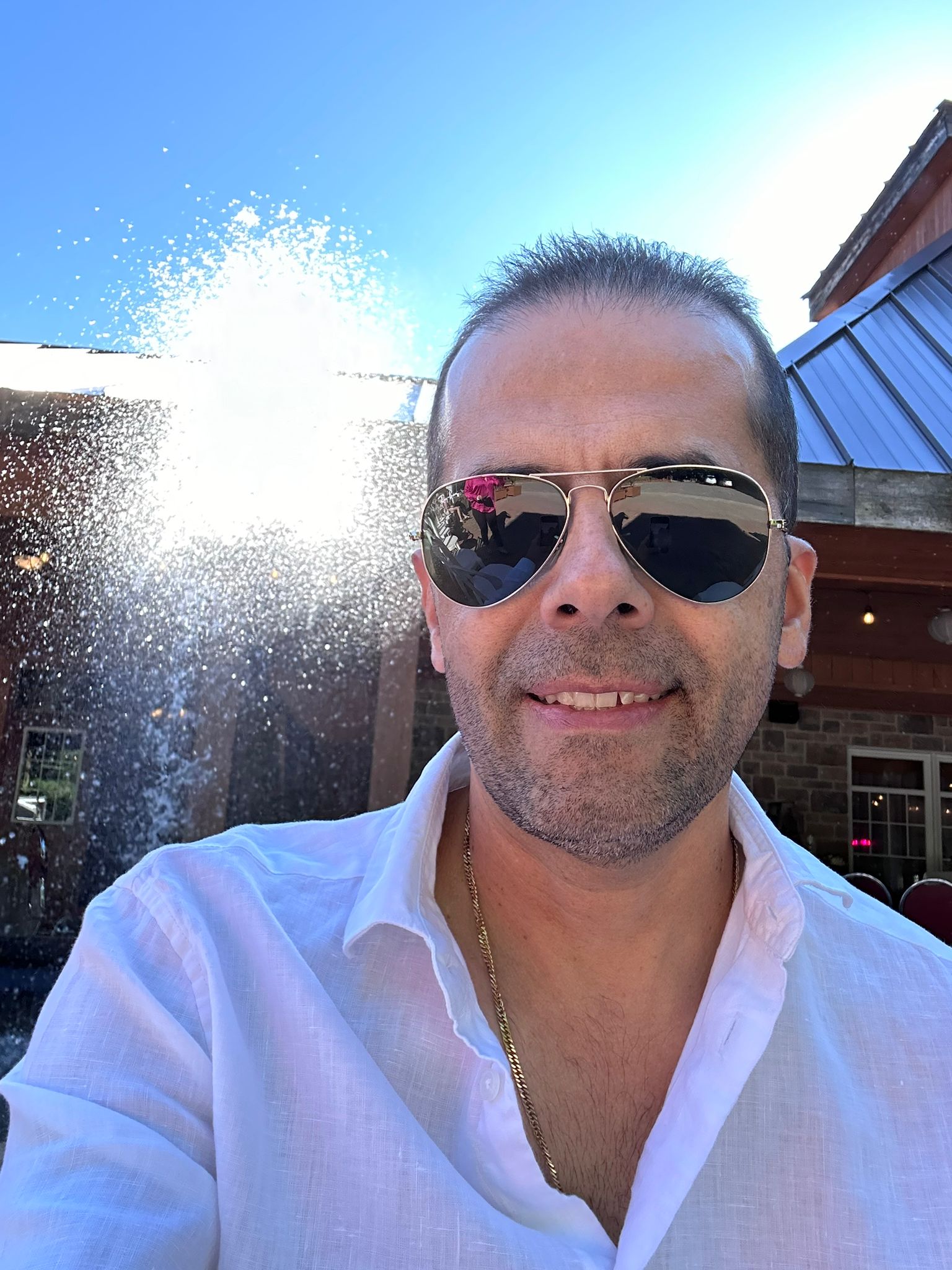
I am Alejandro Rojas. I was born in Manizales, Colombia, and since 2008 I have lived in Quebec, Canada.
My native language is Spanish, but living here put me on the other side: I had to learn to get by in a language that wasn't my own.
ARRIVING WITHOUT KNOWING THE LANGUAGE
I arrived in Quebec in July 2008 without speaking French or English.
Situations that used to be simple—asking something, understanding an explanation, or simply having a conversation—began to require words that I still didn't have.
I knew perfectly well what I wanted to say. The problem was finding the words to say it in French.
At first I often depended on other people to understand or make myself understood. And although I started working very soon, for a while I was surrounded mainly by people who spoke Spanish, so I didn't have many opportunities to practice French either.

LEARNING FRENCH
I completed a francization program and then studied written French for non-francophones at the university.
Written French was especially difficult for me. I had to repeat a level and I didn't manage to pass it.
My learning continued through work, everyday conversations with French speakers, what I had already studied, and what I continued to learn on my own.
With time and practice, words I used to struggle to find began to come more readily when I needed them.
A STORY I STILL REMEMBER
During one of our first summers in Quebec, I was talking with a French-speaking woman in a park.
My French was still very limited, but I spoke, searched for words, and kept trying to make myself understood.
My wife, who by then understood French better, came over in surprise and asked the woman whether she could really understand me.
In our family, we still remember her reply, which went something like this:
“I piece the words together and manage to understand him.”
WHAT I LEARNED BEING ON THE OTHER SIDE
I am a Physical Education teacher by training. Learning French also put me in the position of being the one who couldn't find the words.
I learned to accept that learning a language is a process. There are words that are missing at first and others that are hard to find when you want to use them.
That experience influences how I work during my Spanish conversation sessions.
When we talk, I don't expect you to construct every sentence perfectly before saying it.
During the sessions we work on what comes up when you really try to express yourself: vocabulary you need, pronunciation, structures that are still difficult, or more natural ways to communicate an idea.
When something needs correction, we can work on it and continue the conversation.
YOUR REASON FOR SPEAKING SPANISH MAY BE DIFFERENT
Maybe you want to chat with your Latino partner and their family. Perhaps you want to travel and get by in Spanish, connect with other people, or simply stop translating every phrase before you say it.
I know what it’s like to be face-to-face with someone, have something to say, and search for the words to express it.
In your introductory class, we talk for 30 minutes to understand your starting point, what you want to use Spanish for, and what happens when you need to express yourself.